
The Only On-Demand Services App You Need
Find all the services that you need in your daily routine all in one application. Zonar provides you with the experts you need with NO extra charge.
























Handyman

Services

Household

Health & Beauty

Education

Others

With Zonar, talk to Experts in real time, around you, for the right price.
*Click here for Zonar User guide
Water around your knees? In desperate need for a plumber to fix that leaking pipe? Ditch the standard ways of searching and join Zonar, The Expert Network, a yellow-page for the new age that connect users to nearby Experts.

Real time
Connect with Experts instantly on the app.

Local
Categories ranked by distance, shows you experts in your area

Right Price
Choose the right Expert at the right price for you.

No extra charge
Pay your Expert directly for their services.
With Zonar, market yourself to your local community and get the jobs and assistance you need to succeed!
*Click here for Zonar Expert guide
“Searching high and low for a freelancing platform to offer your services for a fee but hitting a dead end?”, if that sounds all too familiar, fret not as Zonar, is an expert network created to connect service providers with users.
With Zonar, we offer self listed pricing, a niche freelancing community, high visibility & easy communication, additional skill support, all at 0 commision.


Self listed pricing
You determine your fee.

Niche freelancing community
Find your customers and grow your business with Zonar.

High visibility and easy communication
Personalize your profile and connect to customers in real time.

Additional skill support
Features such as Financing, Insurance and more. (Coming soon)
How to use Zonar


Download the Zonar App
Sign up or log in to an existing Zonar account.

Browse and select service
Choose the type of service you require.

Communicate with the Experts
Use the chat function to contact the Experts.

Plan, deal and pay directly
Decide on the price, date and payment method directly between you and the Experts.


Download the Zonar App
Sign up or log in to an existing Zonar account.

Browse and select service
Choose the type of service you require.
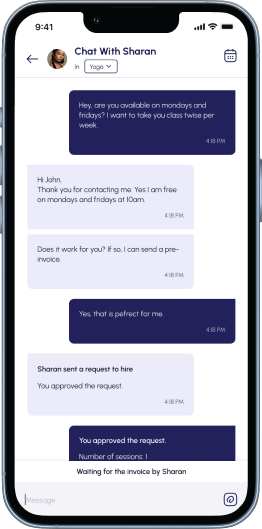
Communicate with the Experts
Use the chat function to contact the Experts.
Plan, deal and pay directly
Decide on the price, date and payment method directly between you and the Experts.
Download the Zonar App
Sign up or log in to an existing Zonar account.
Browse and select service
Choose the type of service you require.

Communicate with the Experts
Use the chat function to contact the Experts.
Plan, deal and pay directly
Decide on the price, date and payment method directly between you and the Experts.

Download the Zonar App
Sign up or log in to an existing Zonar account.
Browse and select service
Choose the type of service you require.
Communicate with the Experts
Use the chat function to contact the Experts.

Plan, deal and pay directly
Decide on the price, date and payment method directly between you and the Experts.
Download the Zonar App
Sign up or log in to an existing Zonar account.
Browse and select service
Choose the type of service you require.
Communicate with the Experts
Use the chat function to contact the Experts.
Plan, deal and pay directly
Decide on the price, date and payment method directly between you and the Experts.
As Seen On





5 Punca Anai-Anai Membiak di Rumah – Kenali & Cegah Sebelum Terlambat!

Top 3 Hair Dryers Under RM200 (2025) – Best Picks for Budget Styling


